
Why Love Hurts Sometimes (And What That Actually Means)
Why Love Hurts Sometimes (And What That Actually Means)
Author: Dr. Angela D. Thomas
You love them. You showed up. You gave your time, your energy, your patience, your heart. And somehow, you still ended up hurt. That tension alone can make you question everything, not just them, but your understanding of love itself.
For many women, the confusion is not whether love exists, it is whether what they experienced was actually love. Because if love is supposed to be good, nurturing, and safe, why does it leave you feeling disappointed, overlooked, or even wounded? That question sits quietly in a lot of hearts, even when it is not said out loud.
What makes this even harder is that we have been taught, both culturally and emotionally, that love is a feeling. So when the feeling leads to pain, we either assume the love was fake or something is wrong with us. But what if the issue is not your ability to love or be loved, but your understanding of what love actually is?
Questions Women Often Ask About This
When love feels confusing or painful, it often shows up through questions like these:
Why do I keep getting hurt in relationships even when I love deeply?
If someone really loves me, shouldn’t it feel better than this?
How do I know if what I experienced was real love?
Why do I feel like I give more love than I receive?
Is love supposed to hurt, or am I just accepting the wrong things?
These are real questions, and they deserve real answers grounded in truth, not just emotion.
In Short
Love itself does not harm, but loving and being in relationship with imperfect people can involve pain. The issue is not that love is broken, it is that we often misunderstand what love is and expect people to give what only God gives perfectly.
What the Bible Says About This
The Bible teaches that love, specifically God’s perfect love, does not produce harm or wrongdoing. In Romans 13:10, we are told that love does no harm to a neighbor, which means true, God-centered love is not destructive or abusive in its expression.
At the same time, Scripture shows us that demonstrating love can require sacrifice. John 3:16 reveals that God’s love led to giving, not taking, and that kind of love involved real cost. This helps us understand something critical: love itself is not harmful, but living it out in a broken world can involve experiencing pain.
This distinction matters. It keeps you from calling harmful behavior “love,” and it also keeps you from walking away from real love just because it required sacrifice or felt difficult.
Let's Break This Down
One of the biggest reasons love feels confusing is because we use one word to describe multiple different things. In everyday language, we say we love people, love food, love God, love our friends, and love our spouse, all using the same word. But biblically, those are not the same type of love.
There are different expressions of love, and when we mix them up, we create unrealistic expectations. Sometimes the pain you feel is not because someone failed to love you, but because you expected a level or type of love they were never designed to give. That mismatch creates frustration, disappointment, and confusion.
Another layer to this is how we define love emotionally. Culture teaches us that love is primarily a feeling, something we feel strongly toward someone else. But the highest form of love described in Scripture is not based on feelings at all. It is based on action, sacrifice, and intention.
This is where things get clearer. When someone says they are demonstrating love, especially the kind of love God calls us to, it should not harm you. Love is not rude, not self-seeking, and not destructive in how it shows up. If someone’s actions consistently cause harm, that is not love in action, no matter what they call it.
At the same time, when you choose to love someone in a selfless way, you may experience hurt in the process. That is not because love failed, but because you are loving in a world where people are imperfect. You can give love with the right intention and still feel the weight of disappointment, misunderstanding, or lack of reciprocity.
This is why it is so important to separate two things. Love does not harm, but loving people can still hurt. If you confuse those two, you will either accept harmful behavior as love or reject real love because it required sacrifice.

What this Means for Your Life
First, you need to release the idea that pain automatically means something was not love. That belief will cause you to walk away from relationships or growth moments that were actually shaping you. Not every hard experience is proof that love was absent.
Second, you need to shift how you evaluate love. Stop measuring it only by how it feels and start looking at what it produces. Does it build, support, and seek your good, or does it consistently harm, diminish, or tear you down? That distinction matters more than the intensity of emotion.
Third, you need to stop expecting people to love you perfectly. Only God does that every time. When you expect perfection from imperfect people, you set yourself up for repeated disappointment. That does not mean you tolerate harmful behavior, but it does mean you allow room for human imperfection.
Finally, you need to decide how you are going to love. Not based on how others treat you, but based on what God has called you to do. That requires intention, maturity, and help beyond your own strength. You are not meant to do this alone, and you do not have to.
Reflection Question
Have you been calling something “love” that consistently harms you, or rejecting something real because it did not feel the way you expected?
Continue with the You Got Mad Love Series
This article begins the You Got Mad Love series, where we break down what love really means according to God and how it should actually show up in your life and relationships.
In this series, we explore biblical definitions of love, emotional misunderstandings, relational expectations, and how to live out love in a way that reflects God’s truth.
Want to Go Deeper?
This teaching comes from the SheShed community, where women gather to learn the Word of God in a way that is clear, practical, and life changing.
Inside the community, we focus on helping women get the tools they need to shed the mess they do not need and build God’s Kingdom on purpose.
If you want more biblical teaching like this, you are welcome to Join Us FREE!
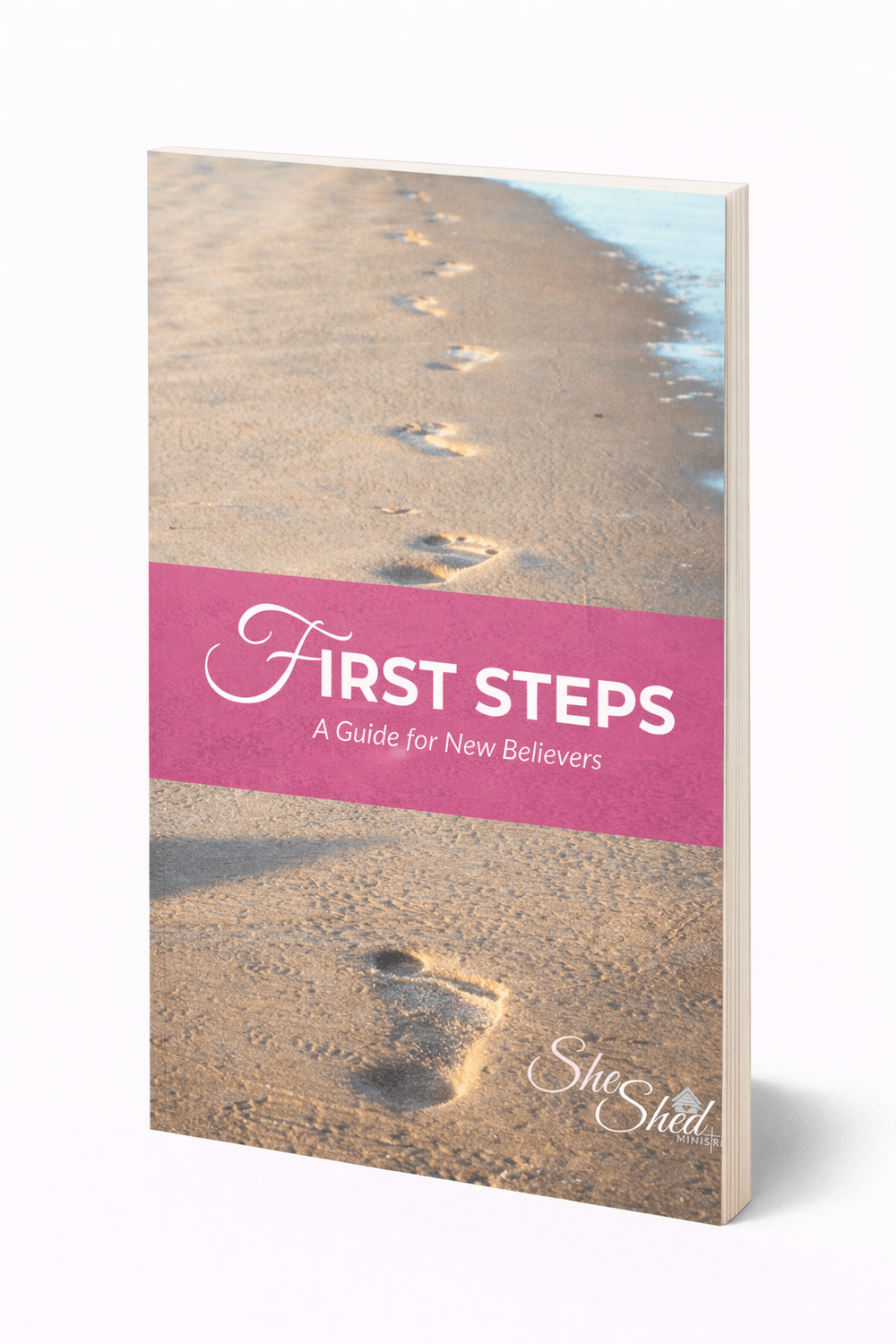
FIRST STEPS A Guide for New Believers
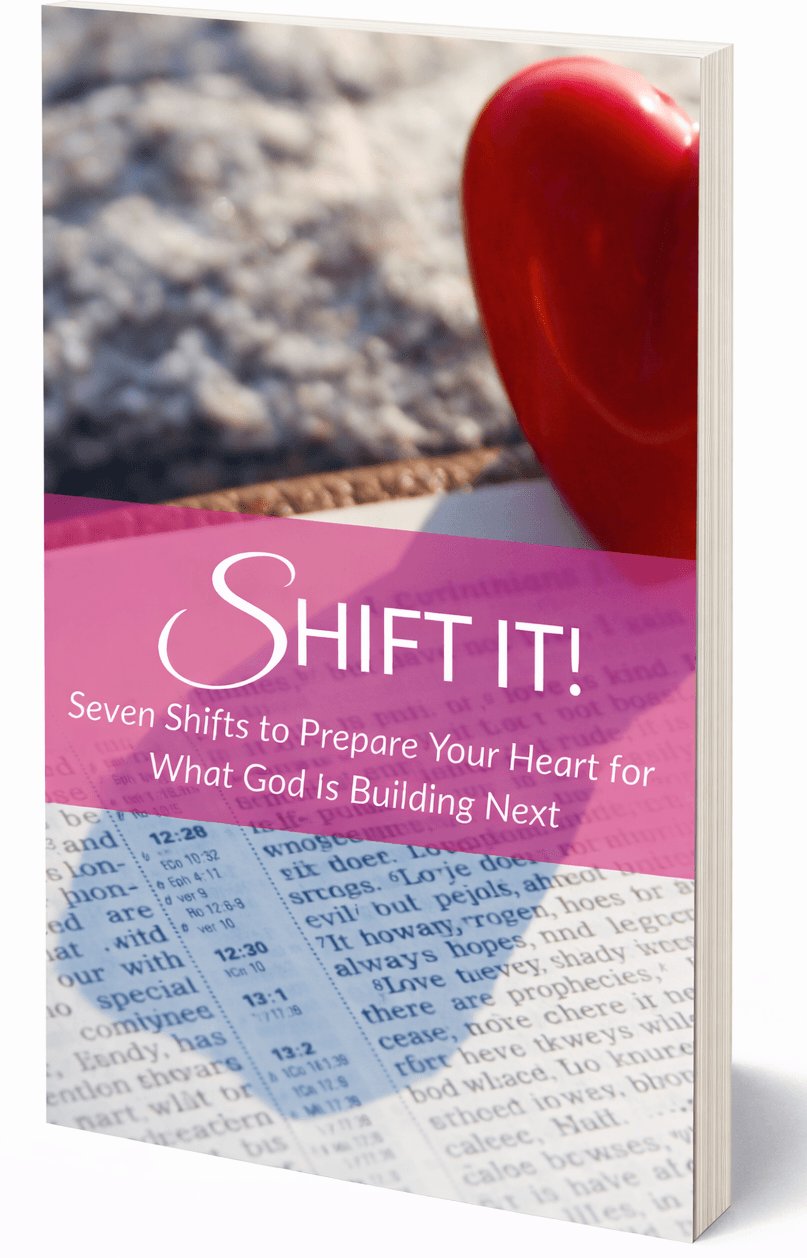
SHIFT IT! Seven Shifts to Prepare Your Heart for What God is Building Next
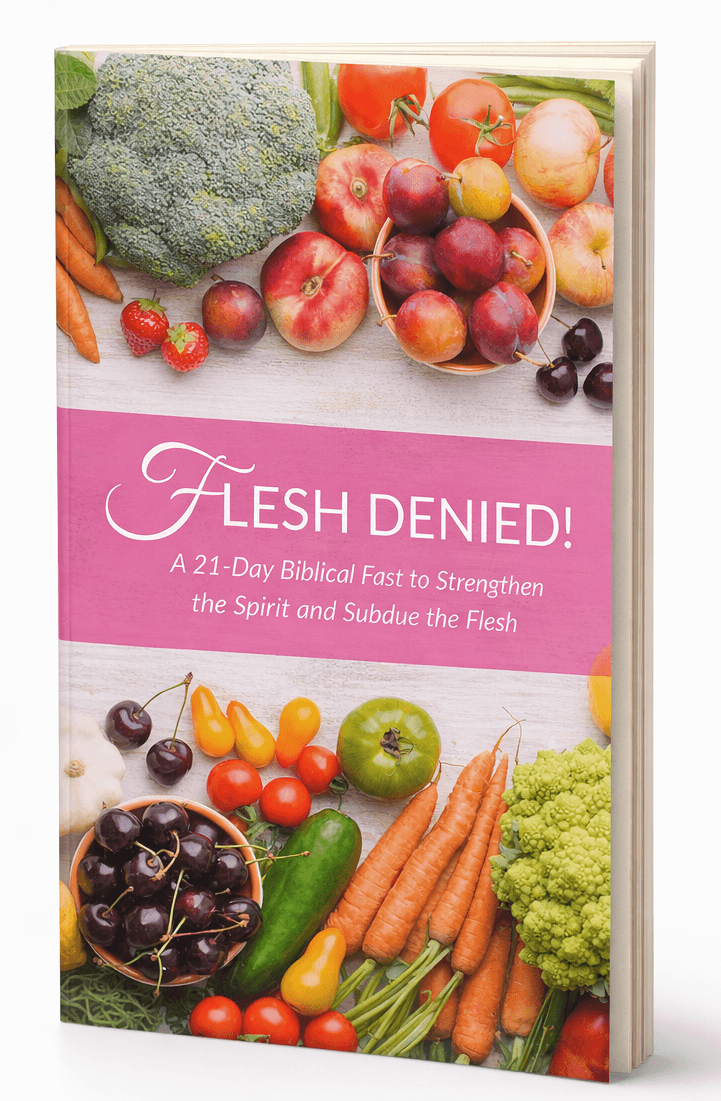
FLESH DENIED! A 21 Day Biblical Fast To Strengthen the Spirit and Subdue the Flesh
Grow With the SheShed Community
Women grow deeper in faith when they walk the journey together.
Inside the SheShed Community you will find:
Bible teaching that meets real life
Tools to help you shed what no longer serves you
A community walking toward freedom and purpose

Teaching the Word of God in an easy-to-understand way so women can get the tools they need, to shed the mess they don’t, to build God’s Kingdom on purpose.
Stay Connected