
Does Your Past Disqualify You From God’s Purpose?
Does Your Past Disqualify You From God’s Purpose?
Author: Dr. Angela D. Thomas
There are things in your past that you do not talk about easily. Some of them were choices you made, and others were things that happened to you, but either way, they carry weight. Even when you have moved forward, those moments can still whisper to you, reminding you of who you were and what you did.
For many women, this creates a quiet hesitation when it comes to purpose. You may believe God is good, and you may even believe He uses people, but when it comes to your own life, there is a pause. It shows up in thoughts like, “Maybe God can use others, but my story is different.”
What makes this so difficult is that the past does not just sit in memory. It shapes how you see yourself, how you show up, and how far you are willing to go. When you carry shame or regret, it becomes easy to assume that something about your story has disqualified you.
Questions Women Often Ask About This
When your past feels like a barrier, the questions are not always loud, but they are consistent. They come up in moments where you feel called to more but hesitate to move forward:
Can God really use me after what I’ve done?
Have I messed up too much to be used by God?
Do my past decisions limit my purpose?
Why do I still feel ashamed even though I’ve moved on?
What if people knew my story?
Is my past something I need to hide to move forward?
In Short
Your past does not disqualify you from God’s purpose. What you have been through may actually be part of how God intends to use you.
What the Bible Says About This
The Bible teaches that God consistently uses people with complicated, imperfect, and even broken pasts. Rahab, a woman known for her profession, became part of the lineage of Jesus, not despite her past but within the story of it. Jacob was known for deception, Moses carried the weight of a violent past, and Peter denied Jesus, yet each of them was still chosen and used.
Scripture does not hide their history. It includes it. That matters because it shows that God is not looking for people with perfect records. He is working through real lives, real stories, and real transformation.
Let's Break This Down
One of the biggest lies many women believe is that their past is something they have to overcome before God can use them. The truth is that God has already accounted for your past. He is not surprised by it, and He is not limited by it.
When you look at Rahab’s story, you see something deeper than redemption. Her past placed her in a unique position that others were not in. She had access, awareness, and influence in a moment that mattered, and she used it. This shows that your past does not just sit behind you. It can position you for purpose.
The same pattern shows up again and again. Moses’ past did not stop him from leading people out of bondage. Peter’s failure did not cancel his calling. In fact, Jesus spoke directly to Peter’s future even after knowing what he would do. This reveals something important. Your mistakes do not erase what God has spoken over your life.
There is also a reason the enemy works so hard to keep you focused on your past. Shame has a way of keeping you quiet, hidden, and hesitant. If you believe your story disqualifies you, you will not step forward, and you will not share what God has done in your life.
But your story has value. Not because every detail needs to be told all the time, but because there are moments where what you have lived through is exactly what someone else needs to hear. Your story is not for display, but it is for deployment when God calls for it.
What this Means for Your Life
This means you have to release the agreement that your past defines your ceiling. What you have done or experienced is part of your story, but it is not the final word on your life. When you continue to carry it as a limitation, you allow it to shape your future in ways it no longer should.
You also need to shift how you see your story. Instead of viewing it only through the lens of regret, begin to recognize how it has shaped your awareness, your compassion, and your understanding. There are things you see and understand now that you would not have without those experiences.
Another practical step is to stop hiding. This does not mean you share everything with everyone, but it does mean you stop allowing shame to silence you. When God gives you the opportunity to speak, encourage, or relate to someone, be willing to step into that moment.
Finally, you need to trust that God knows exactly how to use your life. He does not waste anything. What feels like a disqualifier to you can become a point of connection, impact, and transformation for someone else.
Reflection Question
What part of your past have you been treating as a disqualification instead of a potential part of your purpose?
Continue with Mighty Misfits Series
This article continues the Mighty Misfits series, where we explore how God intentionally uses people who seem unlikely, overlooked, or disqualified to accomplish His purpose.
In this series, we are uncovering how being last, being small, and having a complicated past does not limit God’s ability to use you, but actually positions you for His glory to be revealed.
Previously:
Blog 1: Why You Feel Like God Can’t Use You (And Why That’s Not True)
This series is meant to help you stop disqualifying yourself and start walking boldly in the purpose God has already placed on your life.
Want to Go Deeper?
This teaching comes from the SheShed community, where women gather to learn the Word of God in a way that is clear, practical, and life changing.
Inside the community, we focus on helping women get the tools they need to shed the mess they do not need and build God’s Kingdom on purpose.
If you want more biblical teaching like this, you are welcome to Join Us FREE!
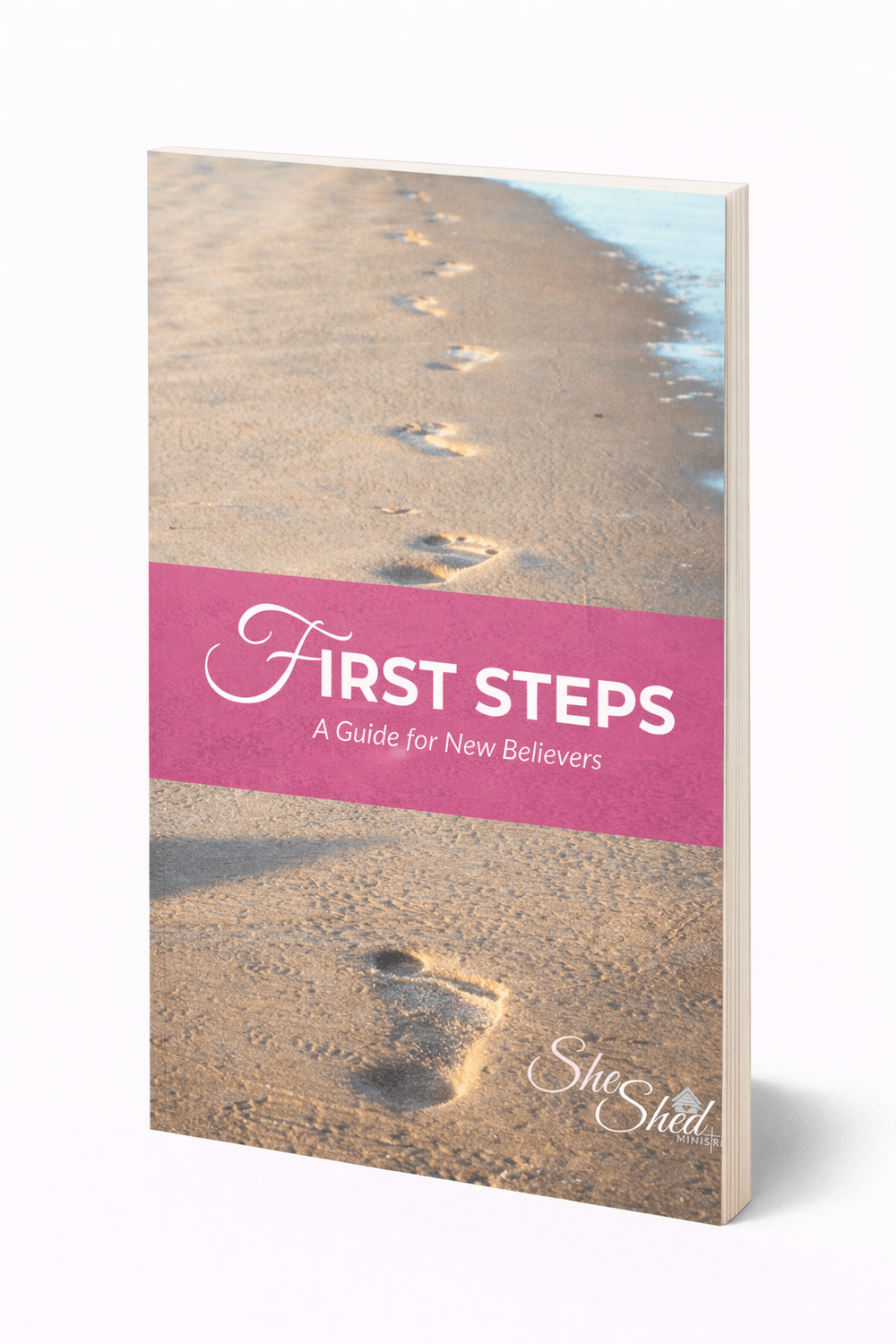
FIRST STEPS A Guide for New Believers
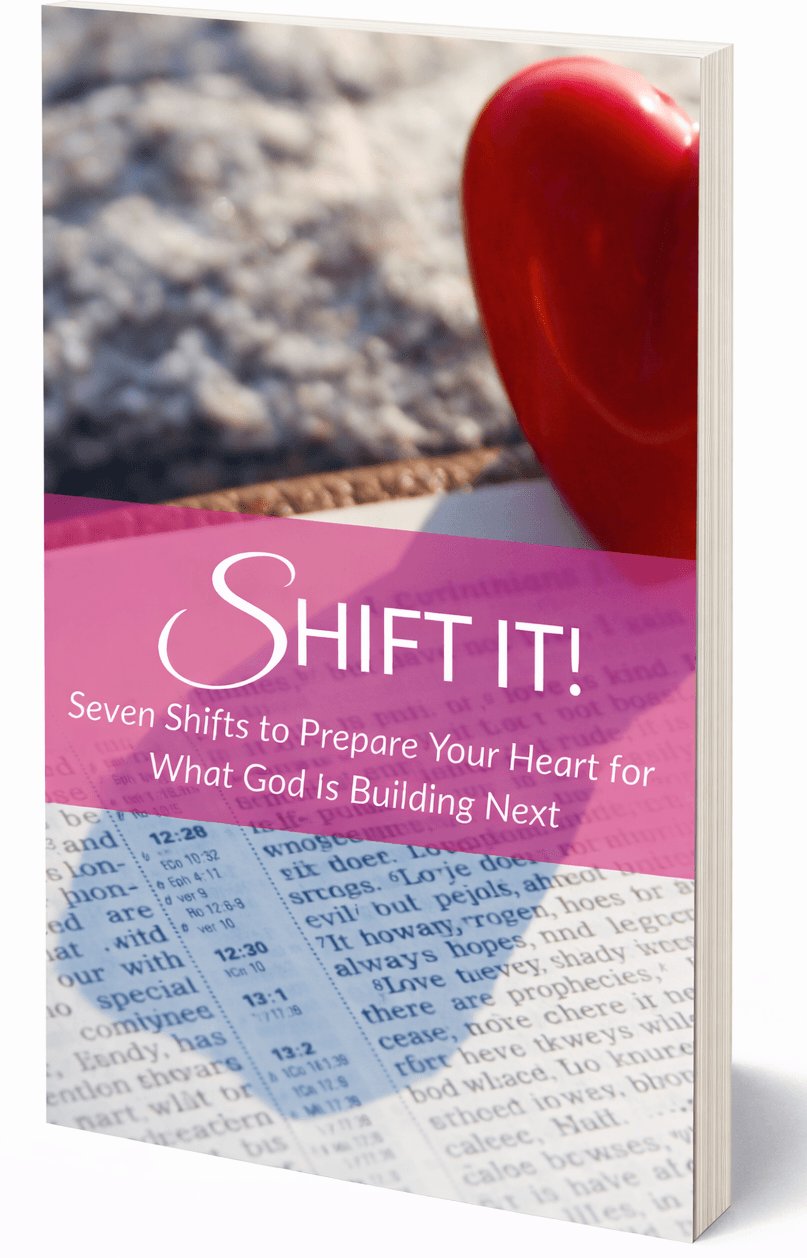
SHIFT IT! Seven Shifts to Prepare Your Heart for What God is Building Next
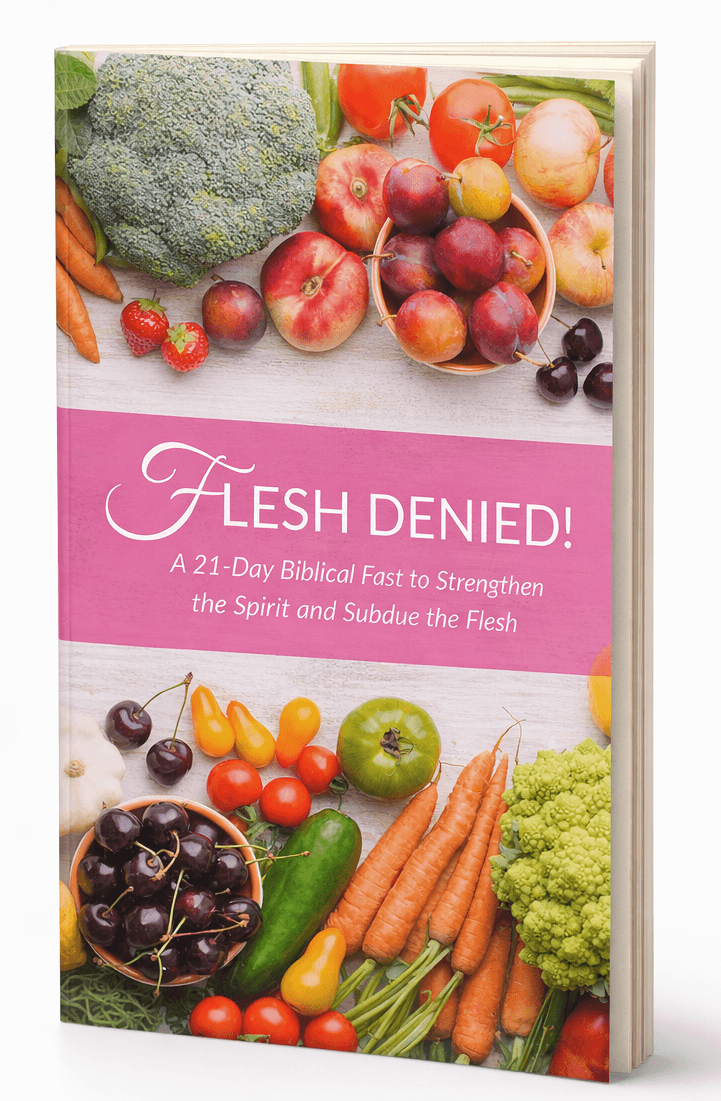
FLESH DENIED! A 21 Day Biblical Fast To Strengthen the Spirit and Subdue the Flesh
Grow With the SheShed Community
Women grow deeper in faith when they walk the journey together.
Inside the SheShed Community you will find:
Bible teaching that meets real life
Tools to help you shed what no longer serves you
A community walking toward freedom and purpose

Teaching the Word of God in an easy-to-understand way so women can get the tools they need, to shed the mess they don’t, to build God’s Kingdom on purpose.
Stay Connected